
Accounts payable and accounts receivable are two of the most important functions in bookkeeping and accounting. Almost every business that purchases goods from suppliers or sells products and services to customers must maintain accurate payable and receivable records.
Although these functions are closely connected, they represent opposite sides of a business transaction. Accounts payable deals with money a business owes, while accounts receivable deals with money customers owe the business.
Understanding accounts payable vs accounts receivable is essential for anyone preparing for a bookkeeping, accounting clerk, finance assistant, or office administration role in Canada. Employers frequently include these terms in job descriptions and may ask candidates to explain the difference during an interview.
A small business may assign both functions to one bookkeeper. A larger company may employ separate accounts payable and accounts receivable teams, with each person responsible for a specific part of the financial process.
Both departments affect cash flow, financial reporting, customer and supplier relationships, and the accuracy of the general ledger. Mistakes can result in duplicate payments, missed invoices, overdue customer balances, incorrect reports, or damaged business relationships.
This guide explains the difference between accounts payable and receivable, common job duties, complete workflows, required skills, accounting software, career opportunities, resume keywords, interview questions, and practical ways to gain experience.
What Is Accounts Payable?
Accounts payable, commonly abbreviated as AP, represents amounts a business owes to its suppliers or service providers.
A payable is generally created when a business receives goods or services but does not pay for them immediately. The supplier sends an invoice showing the amount owed and the payment deadline.
For example, a business may purchase office supplies worth $1,000 and receive an invoice allowing payment within 30 days. Until the invoice is paid, the $1,000 is recorded as accounts payable.
Accounts payable is normally classified as a liability because it represents a financial obligation the business must settle.
Common accounts payable transactions include:
- Supplier invoices
- Office rent
- Utility bills
- Contractor invoices
- Inventory purchases
- Professional service fees
- Equipment repairs
- Software subscriptions
- Shipping expenses
- Marketing services
The accounts payable process ensures that valid supplier invoices are recorded, approved, and paid accurately and on time.
What Is Accounts Receivable?
Accounts receivable, commonly abbreviated as AR, represents amounts customers owe the business.
A receivable is generally created when a business provides goods or services but allows the customer to pay later. The business issues an invoice showing the amount owed and payment terms.
For example, a consulting company may complete $2,500 of work and send the customer an invoice payable within 30 days. Until the customer pays, the $2,500 remains in accounts receivable.
Accounts receivable is normally classified as an asset because it represents money the business expects to collect.
Common accounts receivable transactions include:
- Customer invoices
- Service charges
- Product sales made on credit
- Progress billings
- Recurring invoices
- Customer payments
- Credit notes
- Refund adjustments
- Overpayments
- Unpaid account balances
The receivables process ensures that customers are billed accurately, payments are applied correctly, and overdue balances are followed up professionally.
Accounts Payable vs Accounts Receivable: Main Difference
The simplest distinction is:
- Accounts payable: Money the business owes
- Accounts receivable: Money customers owe the business
| Category | Accounts Payable | Accounts Receivable |
|---|---|---|
| Meaning | Amounts owed to suppliers | Amounts owed by customers |
| Account type | Liability | Asset |
| Main document | Supplier invoice | Customer invoice |
| Cash-flow effect | Cash leaving the business | Cash entering the business |
| Main responsibility | Reviewing and paying bills | Billing and collecting payments |
| External contact | Suppliers and vendors | Customers and clients |
| Key report | Accounts payable aging | Accounts receivable aging |
| Common risk | Duplicate or late payments | Overdue or uncollected invoices |
Both functions require accurate records, documentation, communication, reconciliation, and deadline management.
Why Accounts Payable and Receivable Matter
Payables and receivables directly affect the financial health of a business.
When accounts payable is not managed properly, a company may:
- Pay the same invoice twice
- Miss payment deadlines
- Damage supplier relationships
- Lose early-payment discounts
- Pay unauthorized invoices
- Misstate expenses
- Experience cash-flow problems
- Fail to record outstanding liabilities
When accounts receivable is not managed properly, a company may:
- Forget to invoice customers
- Apply payments incorrectly
- Allow balances to become overdue
- Lose track of customer disputes
- Misstate revenue or receivables
- Experience cash shortages
- Write off avoidable unpaid balances
Accurate management helps the organization understand how much it owes, how much it expects to collect, and when money is likely to enter or leave the bank account.
Complete Accounts Payable Process
The accounts payable cycle begins when the company purchases goods or services and continues until the supplier is paid and the account is reconciled.
Step 1: Receive the Supplier Invoice
The process begins when a supplier sends an invoice.
The invoice may arrive through:
- Supplier portal
- Postal mail
- Electronic data system
- Internal purchasing department
- Employee expense submission
The accounts payable clerk should confirm that the invoice belongs to the correct company and has not already been entered.
Important invoice details include:
- Supplier name
- Invoice number
- Invoice date
- Payment due date
- Description of goods or services
- Subtotal
- Applicable tax
- Total amount
- Payment instructions
- Purchase order reference
Invoices with missing or unclear information may require follow-up.
Step 2: Verify the Invoice
Before entering the invoice, the accounts payable employee may verify it against supporting documents.
These may include:
- Purchase order
- Receiving report
- Contract
- Service agreement
- Manager approval
- Delivery confirmation
- Expense claim
- Supplier statement
Some businesses use a three-way matching process comparing:
- The purchase order
- The receiving document
- The supplier invoice
The purpose is to confirm that the goods were ordered, received, and billed correctly.
Step 3: Obtain Approval
The invoice may require approval from a manager or department head before payment.
Approval confirms that:
- The purchase was authorized
- The goods or services were received
- The amount is reasonable
- The expense belongs to the correct department
- The invoice is ready for processing
An employee who enters invoices should not automatically approve every payment. Separating responsibilities is an important internal control.
Step 4: Enter the Supplier Bill
The approved invoice is recorded in the accounting system.
The entry may include:
- Supplier
- Invoice number
- Invoice date
- Due date
- Expense or asset account
- Department or project
- Tax code
- Total amount
- Description
- Supporting attachment
Selecting the correct account is essential. A routine office expense may require different treatment from equipment, inventory, prepaid services, or loan-related costs.
Step 5: Schedule the Payment
The payable remains outstanding until the payment is issued.
The business may pay suppliers by:
- Electronic funds transfer
- Online banking
- Cheque
- Credit card
- Direct debit
- Supplier payment portal
Payment timing may depend on:
- Invoice due date
- Cash availability
- Supplier terms
- Approval status
- Payment schedule
- Early-payment discount
- Disputed amounts
Paying too early may reduce available cash unnecessarily, while paying late may damage supplier relationships or create penalties.
Step 6: Record the Payment
Once payment is issued, it should be recorded against the correct supplier invoice.
This reduces:
- The bank account
- The outstanding accounts payable balance
The employee should verify that the payment was applied to the correct invoice and supplier.
Incorrect payment allocation can make paid invoices appear overdue and create confusion during supplier reconciliation.
Step 7: Reconcile Supplier Statements
Suppliers may send statements listing:
- Outstanding invoices
- Payments received
- Credit notes
- Previous balances
- Current amount due
The accounts payable employee compares the statement with the company’s records.
Differences may be caused by:
- Missing invoices
- Unrecorded credit notes
- Payments not applied
- Duplicate invoices
- Timing differences
- Incorrect amounts
- Payments sent to the wrong account
Regular reconciliation helps prevent payment errors and unresolved supplier disputes.
Complete Accounts Receivable Process
The accounts receivable cycle begins when the business provides goods or services and continues until the customer pays and the account is reconciled.
Step 1: Create the Customer Account
The business creates a customer profile containing relevant information.
This may include:
- Customer name
- Billing address
- Email address
- Phone number
- Payment terms
- Credit limit
- Tax information
- Primary contact
- Preferred invoice delivery method
Accurate customer records help prevent invoices from being sent to the wrong person or address.
Step 2: Prepare the Customer Invoice
After goods or services are delivered, the business prepares an invoice.
A customer invoice may include:
- Invoice number
- Invoice date
- Customer name
- Description of goods or services
- Quantity
- Rate
- Tax
- Total amount
- Payment deadline
- Payment instructions
- Contract or project reference
Invoices should be clear and accurate. Incorrect invoices may delay payment and create disputes.
Step 3: Send the Invoice
The invoice should be delivered through the agreed method.
Common delivery methods include:
- Customer portal
- Accounting software
- Postal mail
- Electronic billing system
Sending invoices promptly helps the company collect money sooner. An invoice cannot become due until the customer receives or accesses it.
Step 4: Monitor Outstanding Balances
The accounts receivable employee reviews unpaid customer invoices regularly.
An aged receivables report commonly groups balances according to how long they have been outstanding, such as:
- Current
- 1–30 days overdue
- 31–60 days overdue
- 61–90 days overdue
- More than 90 days overdue
Older balances may be more difficult to collect. Regular review allows the company to follow up before the invoice becomes seriously overdue.
Step 5: Follow Up with Customers
When an invoice becomes overdue, the employee may contact the customer.
A professional follow-up should confirm:
- Invoice number
- Invoice date
- Amount
- Due date
- Whether the invoice was received
- Whether a dispute exists
- Expected payment date
The purpose is to collect the balance while protecting the customer relationship.
The employee should document calls, emails, promises to pay, and disputed items.
Step 6: Receive and Record Payment
Customer payments may be received through:
- Electronic transfer
- Credit card
- Cheque
- Online payment
- Bank deposit
- Direct debit
The payment should be applied to the correct customer and invoice.
When one payment covers several invoices, the employee may need remittance information explaining how the customer intended the payment to be applied.
Step 7: Investigate Payment Differences
A customer payment may not match the invoice exactly.
Possible reasons include:
- Partial payment
- Customer deduction
- Credit note
- Discount
- Bank fee
- Duplicate payment
- Overpayment
- Invoice dispute
- Incorrect payment amount
The employee should investigate the difference rather than automatically writing it off or applying it randomly.
Step 8: Reconcile Customer Accounts
Customer reconciliation compares invoices, payments, credit notes, and outstanding balances.
It helps identify:
- Payments applied to the wrong invoice
- Missing payments
- Duplicate invoices
- Old credits
- Incorrect balances
- Customer disputes
- Unapplied cash
Accurate reconciliation ensures that customer statements and receivables reports are reliable.
Accounts Payable Job Duties
An accounts payable clerk may be responsible for:
- Receiving supplier invoices
- Verifying invoice details
- Matching invoices with purchase orders
- Obtaining approvals
- Entering supplier bills
- Selecting expense accounts
- Reviewing payment due dates
- Preparing payment batches
- Recording payments
- Maintaining supplier records
- Reconciling supplier statements
- Investigating duplicate invoices
- Responding to supplier inquiries
- Organizing supporting documents
- Assisting with month-end procedures
The role often involves a high volume of invoices and requires strong attention to detail.
Accounts Receivable Job Duties
An accounts receivable clerk may be responsible for:
- Creating customer accounts
- Preparing customer invoices
- Sending invoices and statements
- Recording customer payments
- Applying payments correctly
- Monitoring overdue balances
- Contacting customers
- Reviewing aged receivables
- Investigating short payments
- Processing credit notes
- Maintaining customer records
- Reconciling customer accounts
- Preparing collection reports
- Supporting cash-flow reporting
- Assisting with month-end procedures
The role combines accounting accuracy with customer communication.
Accounts Payable vs Receivable Career Comparison
Both functions can provide an entry point into bookkeeping and accounting.
Accounts Payable May Suit You When You Enjoy:
- Working with supplier invoices
- Reviewing supporting documents
- Following approval procedures
- Organizing payments
- Investigating invoice differences
- Maintaining detailed records
- Working with purchasing departments
Accounts Receivable May Suit You When You Enjoy:
- Preparing customer invoices
- Communicating with customers
- Tracking incoming payments
- Resolving customer account issues
- Following up on overdue balances
- Reviewing collection reports
- Supporting business cash flow
Some candidates prefer accounts payable because it can involve more internal documentation and supplier processing. Others prefer receivables because it includes more customer communication and payment follow-up.
Skills Required for Accounts Payable and Receivable
Many skills are shared across both functions.
Accounting Knowledge
Candidates should understand:
- Debits and credits
- Assets and liabilities
- Customer invoices
- Supplier bills
- Payments
- Credit notes
- General ledger accounts
- Reconciliation
- Financial reports
- Month-end procedures
Attention to Detail
Employees regularly work with:
- Invoice numbers
- Dates
- Supplier and customer names
- Payment amounts
- Account codes
- Tax codes
- Banking information
- Purchase orders
One incorrect digit can result in a payment being applied to the wrong account.
Communication
Accounts payable employees communicate with suppliers, purchasing staff, and managers.
Accounts receivable employees communicate with customers, sales teams, and managers.
Communication should remain clear and professional, especially when resolving payment disputes.
Organization
The employee must track many invoices, payments, approvals, due dates, and account balances simultaneously.
Time Management
Payment runs, customer follow-ups, month-end closing, and reporting tasks all have deadlines.
Problem-Solving
Employees should investigate differences instead of making unsupported adjustments.
Confidentiality
Financial records, customer details, supplier banking information, and payment records must be protected.
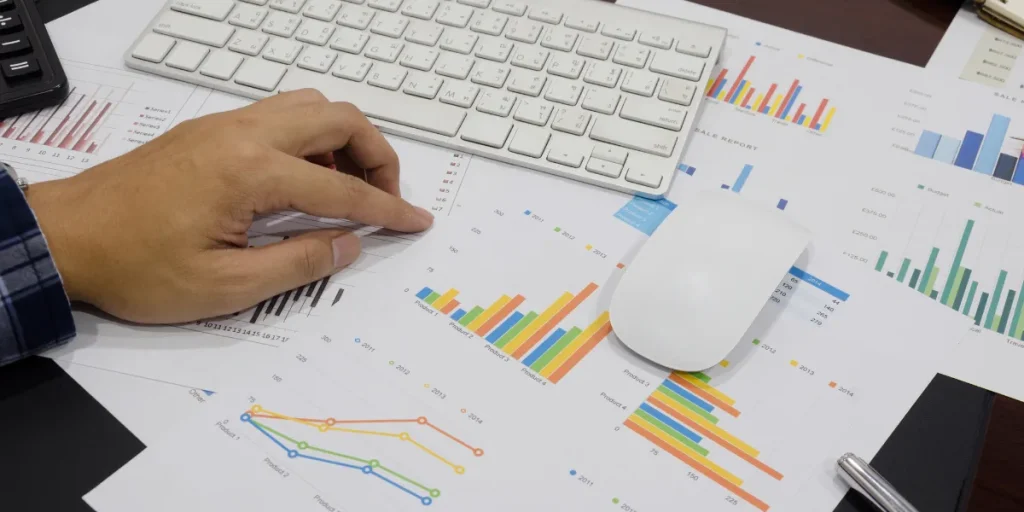
Accounting Software Used for Payables and Receivables
Canadian businesses may use:
- QuickBooks Online
- Sage
- Xero
- Microsoft Excel
- Enterprise resource planning systems
- Industry-specific accounting software
- Customer relationship management systems
- Electronic payment platforms
Software duties may include:
- Creating customer and supplier profiles
- Entering invoices and bills
- Recording payments
- Applying credit notes
- Reviewing outstanding balances
- Preparing aging reports
- Reconciling accounts
- Exporting reports
- Attaching supporting documents
For a detailed comparison of popular platforms, review our guide to the best accounting software in Canada.
Excel Skills for Accounts Payable and Receivable
Microsoft Excel is frequently used to supplement accounting software.
Useful Excel skills include:
- SUM and SUBTOTAL
- Sorting and filtering
- Tables
- IF formulas
- Lookup functions
- Conditional formatting
- Removing duplicates
- PivotTables
- Date calculations
- Data validation
Accounts payable may use Excel for:
- Invoice registers
- Payment schedules
- Supplier reconciliations
- Expense analysis
- Duplicate invoice checks
Accounts receivable may use Excel for:
- Customer aging
- Payment tracking
- Collection notes
- Unapplied cash
- Invoice reconciliation
Describe your actual Excel abilities on your resume rather than using a vague phrase such as “computer proficient.”
How AP and AR Affect the General Ledger
Accounts payable and receivable are connected to the general ledger.
When a supplier bill is entered, it may:
- Increase an expense or asset
- Increase accounts payable
When the supplier is paid, it may:
- Reduce accounts payable
- Reduce the bank balance
When a customer invoice is created, it may:
- Increase accounts receivable
- Increase revenue
When the customer pays, it may:
- Increase the bank balance
- Reduce accounts receivable
Understanding these relationships helps employees identify incorrect entries and explain account balances.
How AP and AR Support Full-Cycle Bookkeeping
Accounts payable and receivable are major components of the full bookkeeping cycle.
A full-cycle bookkeeper may manage:
- Customer invoices
- Supplier bills
- Incoming payments
- Outgoing payments
- Bank transactions
- Account reconciliations
- General ledger review
- Month-end reporting
A candidate may begin in one specialized department and gradually learn other parts of the cycle.
Our guide to full-cycle bookkeeping in Canada explains how payables, receivables, reconciliations, adjustments, and reports connect.
Internal Controls in Accounts Payable
Accounts payable can be vulnerable to errors, duplicate payments, and unauthorized invoices.
Important internal controls may include:
- Requiring invoice approval
- Matching invoices with purchase documents
- Separating invoice entry and payment authorization
- Restricting supplier master-file changes
- Reviewing duplicate invoice numbers
- Verifying changes to banking information
- Requiring supporting documents
- Reconciling supplier statements
- Reviewing payment reports
- Limiting software access
An employee should follow company procedures and question unusual payment requests.
For example, a supplier’s banking information should not be changed based only on an unexpected email without appropriate verification.
Internal Controls in Accounts Receivable
Receivables controls help ensure that all sales are invoiced and payments are recorded correctly.
Important controls may include:
- Using sequential invoice numbers
- Reviewing cancelled invoices
- Separating payment handling and account adjustments
- Approving credit notes
- Reviewing overdue accounts
- Reconciling customer balances
- Restricting write-offs
- Recording customer communications
- Reviewing unapplied payments
- Comparing sales and invoice reports
These controls reduce the risk of missing revenue, incorrect balances, and unauthorized adjustments.
Common Accounts Payable Mistakes
Entering Duplicate Invoices
The same invoice may be sent twice or entered manually and imported again.
Paying Without Approval
Payments should follow the organization’s approval process.
Using the Wrong Expense Account
Incorrect classification can affect financial reports.
Ignoring Supplier Credits
An unrecorded credit note may cause the company to overpay.
Applying a Payment Incorrectly
A payment may be posted to the wrong supplier or invoice.
Missing Payment Deadlines
Late payments may affect supplier relationships and services.
Failing to Verify Banking Changes
Payment fraud can occur when banking information is changed without appropriate confirmation.
Common Accounts Receivable Mistakes
Sending Inaccurate Invoices
Incorrect amounts or customer details can delay payment.
Delaying Invoice Preparation
Late invoicing generally leads to later payment.
Applying Payments to the Wrong Account
This can leave paid invoices appearing overdue.
Ignoring Small Overdue Balances
Small amounts can accumulate and become difficult to collect.
Failing to Document Customer Contact
Without proper notes, several employees may repeat the same follow-up or provide conflicting information.
Creating Unauthorized Credit Notes
Credits should follow the organization’s approval procedure.
Leaving Unapplied Cash Unresolved
Payments should be investigated and matched to the correct customer or invoice.
How to Gain Accounts Payable or Receivable Experience
Candidates without paid experience can develop practical skills through realistic training exercises.
Create an Accounts Payable Project
Practise:
- Creating supplier profiles
- Entering supplier invoices
- Coding expenses
- Applying tax codes
- Scheduling payments
- Recording payments
- Applying credit notes
- Reconciling supplier statements
- Identifying duplicate invoices
- Preparing an aged payables report
Create an Accounts Receivable Project
Practise:
- Creating customer profiles
- Preparing invoices
- Recording payments
- Applying credit notes
- Reviewing overdue accounts
- Preparing customer statements
- Handling partial payments
- Resolving unapplied cash
- Reconciling customer accounts
- Preparing an aged receivables report
Clearly describe these as projects or training rather than employment.
The In-Person Bookkeeping Course can help learners understand how these processes work within a complete bookkeeping system.
Resume Keywords for Accounts Payable
Useful resume terms may include:
- Accounts payable
- Supplier invoices
- Vendor management
- Invoice processing
- Purchase orders
- Payment processing
- Supplier reconciliation
- Credit notes
- Expense coding
- Payment runs
- Month-end support
- QuickBooks
- Sage
- Microsoft Excel
Sample AP Resume Bullet
Processed supplier invoices, verified approvals and supporting documents, prepared payment records, and reconciled vendor statements.
Resume Keywords for Accounts Receivable
Useful resume terms may include:
- Accounts receivable
- Customer invoicing
- Payment posting
- Cash application
- Aged receivables
- Customer statements
- Collections
- Credit notes
- Account reconciliation
- Overdue balances
- Month-end support
- QuickBooks
- Microsoft Excel
Sample AR Resume Bullet
Prepared customer invoices, recorded and applied payments, monitored aged receivables, and followed up professionally on overdue accounts.
For additional guidance, review our article on creating an accounting resume in Canada.
Accounts Payable Interview Questions
Employers may ask:
- What is accounts payable?
- How do you process a supplier invoice?
- What is three-way matching?
- How do you identify duplicate invoices?
- How do you reconcile a supplier statement?
- What would you do when an invoice has no approval?
- How do you prioritize supplier payments?
- What would you do if a supplier changed its banking details?
- Which accounting software have you used?
- How do you ensure payment accuracy?
Sample Answer
Question: How would you process a supplier invoice?
Answer:
“I would verify the supplier, invoice number, date, amount, tax, and payment terms. I would compare the invoice with available purchase and receiving documents, confirm the required approval, and check that it had not already been entered. I would then record it using the correct account and tax code, attach the supporting document, and schedule it according to the payment terms.”
Accounts Receivable Interview Questions
Employers may ask:
- What is accounts receivable?
- How do you create an accurate customer invoice?
- How do you apply a customer payment?
- What is an aged receivables report?
- How would you follow up on an overdue invoice?
- What would you do with a partial payment?
- How do you resolve unapplied cash?
- How do you handle a customer dispute?
- How do you reconcile a customer account?
- How do receivables affect cash flow?
Sample Answer
Question: How would you handle an overdue customer invoice?
Answer:
“I would first confirm that the invoice was accurate, delivered to the correct contact, and still outstanding. I would review the customer’s payment history and any previous communication. I would then contact the customer professionally, provide the invoice details, ask whether a dispute exists, and request an expected payment date. I would document the communication and follow the company’s escalation process.”
For more sample answers, review our guide to accounting interview questions in Canada.
Accounts Payable vs Receivable: Which Career Is Better?
Neither career is automatically better. The right option depends on your skills, interests, and long-term goals.
Accounts payable may be a good starting point when you prefer:
- Detailed document review
- Supplier communication
- Structured approval processes
- Payment scheduling
- Invoice verification
Accounts receivable may be a good starting point when you prefer:
- Customer communication
- Invoice preparation
- Payment tracking
- Collection follow-up
- Resolving customer account issues
Both roles can lead to positions such as:
- Senior AP or AR clerk
- Bookkeeper
- Accounting assistant
- Accounting technician
- Credit coordinator
- Billing specialist
- Finance administrator
- Full-cycle bookkeeper
- Accounting supervisor
Experience in both functions can strengthen your understanding of the complete accounting cycle.
Frequently Asked Questions
What is the difference between accounts payable and receivable?
Accounts payable represents money a business owes suppliers, while accounts receivable represents money customers owe the business. Payables are generally liabilities, while receivables are generally assets.
Is accounts payable a debit or credit?
Accounts payable normally carries a credit balance because it is a liability. When a supplier bill is recorded, accounts payable generally increases with a credit. When it is paid, the payable balance decreases.
Is accounts receivable an asset?
Yes. Accounts receivable is generally a current asset because it represents money the business expects to collect from customers.
Which is easier: accounts payable or receivable?
The level of difficulty depends on the employer, transaction volume, systems, and responsibilities. Accounts payable focuses more on supplier invoices and payments, while receivables includes customer billing, payment application, and collection communication.
Can I work in AP or AR without experience?
Yes, some employers hire entry-level candidates who have relevant education, practical training, Excel skills, software knowledge, and a clear understanding of invoice and payment processes.
Is bank reconciliation part of accounts payable or receivable?
Bank reconciliation may involve both functions because incoming customer payments and outgoing supplier payments appear in the bank account. In some organizations, a separate bookkeeper or accountant completes the reconciliation.
What software is used for AP and AR?
Businesses may use QuickBooks, Sage, Xero, Excel, enterprise resource planning systems, payment platforms, and industry-specific accounting software.
Build Your Accounts Payable and Receivable Skills
Understanding accounts payable vs accounts receivable is essential for bookkeeping and accounting employment. Payables focuses on valid supplier bills and outgoing payments, while receivables focuses on customer invoices and incoming payments.
Both functions require accurate data entry, account reconciliation, documentation, software knowledge, professional communication, and careful deadline management. They also provide practical entry points for candidates building a Canadian accounting career.
Begin by practising supplier bills, customer invoices, payments, credits, aging reports, and account reconciliations. Develop confidence using QuickBooks, Sage, or another accounting platform, and strengthen your Microsoft Excel abilities.
Explore the In-Person Bookkeeping Course to develop practical accounting and software skills. You can also use the Resume & Job Support Course to prepare targeted applications and professional interview answers.
For further career preparation, review our guides on full-cycle bookkeeping in Canada, how to get an accounting job in Canada, and writing an effective accounting resume in Canada.