
Introduction
So you want to become a tax accountant in Canada.
Maybe you just arrived in the country. Maybe you are switching careers. Either way, you are looking at one of the most in-demand skills in the Canadian job market.
The tax industry here is busy year-round. Businesses need help with corporate returns. Individuals need someone they can trust with their finances. And employers are actively hiring trained, job-ready candidates.
But here is what most beginners get wrong — they study theory and skip practice. This guide will show you exactly how to upskill as a tax accountant in Canada the right way, from your very first step to landing your first job.
1. Start by Understanding the Role
A tax accountant in Canada prepares personal T1 and corporate T2 tax returns, advises clients on deductions and tax-saving strategies, and stays compliant with Canada Revenue Agency rules. Most beginners start with personal tax — it is more straightforward and builds a strong foundation for everything that follows.
Before spending money on any course, spend a few hours reading abou tcommon accounting jobs in Canada and what day-to-day work actually looks like. Knowing what you are stepping into helps you train with purpose.
2. Learn Canadian Tax Laws First
Canadian tax law is not the same as what you may have studied abroad or in a general finance course. The Income Tax Act, GST/HST rules, and CRA regulations are specific to Canada — and they change every single year.

As a beginner, you do not need to memorize everything. Focus on the most common personal tax scenarios first. Understand how employment income, RRSP contributions, and basic deductions work. Then build from there.
Reading through tax laws and regulations in Canada is a great starting point. For official updates, the Canada Revenue Agency website is always your most reliable source.
3. Enroll in a Practical Tax Course in Canada
This is the single most important step you will take. A good tax course does not just teach you concepts — it walks you through real returns, real software, and real client scenarios.
When evaluating tax courses in Canada, look for programs that include hands-on case studies, actual tax software training, and job support after you finish. Theory alone will not get you hired.
AtGet Trained Get Hired, courses are built specifically for beginners and newcomers. The Personal Tax T1 Course covers everything from employment income to rental properties. Once you are comfortable with T1, the Corporate Tax T2 Course takes you into small business returns and dividends. There is also a Bookkeeping Course for those who want a complete accounting foundation.
If you want training plus job placement in one package, the Co-Op Program is designed exactly for that.
4. Master the Software Employers Expect
Knowing tax law matters. But being able to open TaxCycle, navigate a client file, and submit a return accurately — that is what gets you hired on your first interview.
The most widely used tax preparation tools in Canada are TaxCycle and Profile by Intuit. For bookkeeping, QuickBooks Online is the industry standard for small businesses, with Xero growing quickly as a cloud-based alternative.
Learn at least one tax software and one bookkeeping platform before you start applying for jobs. When a hiring manager asks “do you know TaxCycle?” — your answer needs to be yes.
Technology is also reshaping the entire field. Read about accounting automation in 2026 to understand where things are heading and how to stay ahead.
5. Build Real Experience Before You Apply
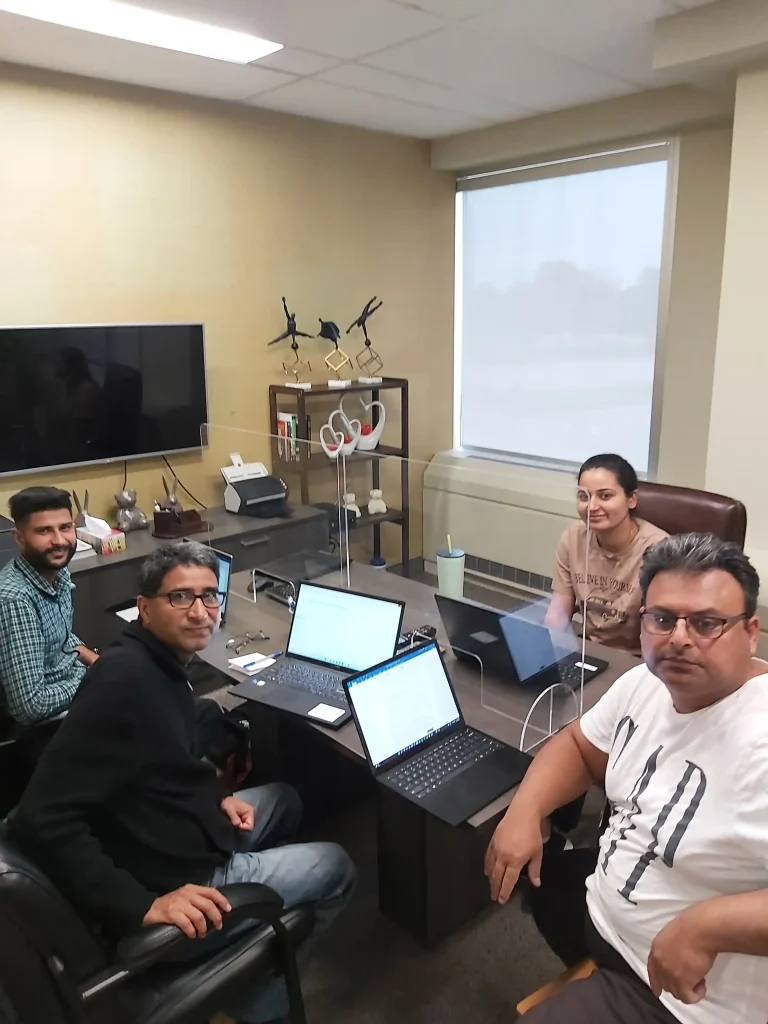
Practical experience is what closes the gap between training and employment. The good news is you do not need a job to get experience.
The CRA runs the Community Volunteer Income Tax Program, where trained volunteers prepare simple returns for low-income Canadians. It is free, supervised, and gives you real files to work on.
A co-op placement goes even further. Working inside an actual accounting firm on client files — with a supervisor guiding you — is the closest thing to paid work experience you can get before being hired. Our Co-Op Package connects graduates directly with partner firms in the GTA.
6. Know Where the CPA Designation Fits
You do not need a CPA to work as a tax accountant in Canada. Many tax preparers and junior accountants build strong careers without it. For entry-level roles, practical skills and software knowledge matter far more than credentials.
That said, the CPA designation does open doors — senior roles, higher salaries, and partnership opportunities at accounting firms. The pathway requires an undergraduate degree, completion of the CPA Professional Education Program, 30 months of practical experience, and passing the Common Final Examination.
If you are just starting out, focus on getting skilled and getting hired first. You can always pursue CPA later once you are earning and building experience. Visit CPA Canada for the full roadmap.
7. Find Your First Tax Accounting Job
The Canadian job market rewards candidates who are trained, software-ready, and have real experience to point to. Use Indeed.ca and LinkedIn to find posted roles, but do not stop there.
Many small accounting firms never post jobs publicly — they hire through referrals and direct outreach. A professional email to local firms during tax season (January through April) can open doors that job boards never will.
If you are targeting the GTA, this guide on accounting jobs in Toronto breaks down the local market. You can also explore virtual job fairs for accounting professionals to connect with employers from anywhere.
Conclusion
Learning how to upskill as a tax accountant in Canada comes down to three things: the right training, the right tools, and real practice.
Start with a practical course. Learn the software. Get hands-on experience through volunteering or a co-op. Then go get hired.
The Canadian tax industry is full of opportunity for people who are willing to show up prepared.
Ready to take the first step? Book a free 30-minute career counseling sessiontoday — and let’s build a plan that gets you trained and hired.
Disclaimer: Information on this page is for general purposes only and does not constitute professional tax or legal advice. Salman Rundhawa and Get Trained Get Hired will not be held liable for issues arising from use of this information.