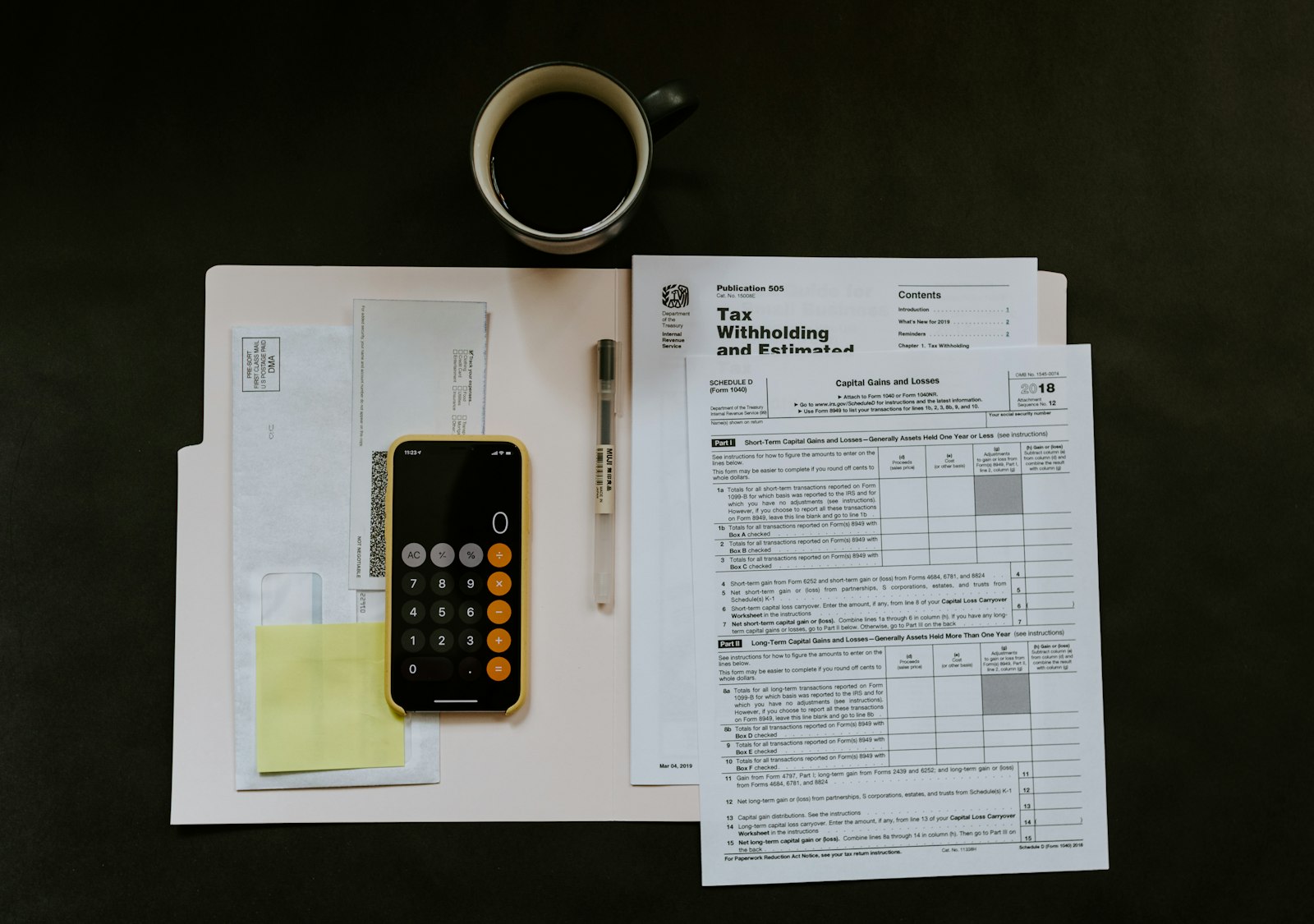
Choosing a corporate tax course in Canada is not about finding the cheapest online video set. It is about learning to prepare a real T2 return correctly — on time, with the right rate, and with records the CRA will accept if it ever asks. This guide explains what corporate tax actually involves in Canada, what a good course must teach, and how to pick one that prepares you for work, not just for a certificate.
What Is Corporate Tax in Canada?
Every Canadian corporation must file a T2 Corporation Income Tax Return each year, even in a year with no income or no tax owing. The T2 reports the corporation’s income, deductions, and tax payable for its fiscal year — not the calendar year by default, because a corporation’s year-end is the date it chooses when it incorporates.
Two deadlines matter, and beginners often confuse them. The T2 return is due within six months after the corporation’s fiscal year-end — for a December 31 year-end, that is June 30. But any balance owing is due much sooner: generally two months after year-end, or three months for an eligible Canadian-controlled private corporation (CCPC) claiming the small business deduction. Pay late and interest runs from the balance-due date, not the filing date.
Corporate Tax Rates You Need to Know First
Corporate tax in Canada is charged at a federal rate plus a provincial rate. The federal general rate is 15%, and the federal small-business rate is 9% on the first $500,000 of active business income for a qualifying CCPC under the small business deduction. Ontario adds its own rate: 11.5% at the general rate, so an Ontario corporation at the general rate pays 26.5% combined. Ontario’s small-business rate was 3.2% and fell to 2.2% from July 1, 2026, so the combined small-business rate for an Ontario CCPC moves from about 12.2% to about 11.2% depending on the taxation year — a good example of why a course must teach you to check the current year’s rates, not memorise one number forever.
Rates alone do not make a tax preparer. What matters is knowing which income qualifies for the small business deduction, how instalments work during the year, how dividends and salary paid to an owner are treated differently, and what records support every number on the return.
What a Good Corporate Tax Course Must Teach
Before you enrol, check the syllabus against this list. A serious corporate tax course should cover:
- T2 preparation from start to finish — schedules, taxable income calculation, and how the federal and provincial parts of the return fit together.
- The small business deduction — who qualifies as a CCPC, the $500,000 business limit, and how associated corporations and passive income affect it.
- Rates and instalments — current federal and Ontario rates, when instalments are due, and how to estimate them so the client is not hit with a large balance.
- Deadlines and penalties — the six-month filing rule, the two- or three-month balance-due day, and the late-filing penalty of 5% of unpaid tax plus 1% per complete month late, up to 12 months.
- Salary versus dividends — the basic tax difference for an owner-manager, without oversimplified advice that ignores the client’s full situation.
- GST/HST and payroll basics — because a corporate client rarely needs only a T2; the course should at least explain how these filings connect.
- Records and CRA review — the CRA’s six-year record-keeping rule, what to keep, and how to prepare a file that survives questions.
- Real practice — worked examples and practice returns on tax software, not only theory slides. If a course never lets you prepare a return, it has not taught you the job.
If a syllabus is vague about T2 schedules, deadlines, or the small business deduction, ask the provider directly what is covered before you pay.
Online or In Person: Which Format Works?
Online corporate tax courses suit people who work, parent, or live far from a classroom: you study at your own pace and revisit hard topics. The risk is finishing a course without ever preparing a return under supervision. In-person or live-online courses with an instructor cost more time, but you get questions answered while the return is in front of you.
The format matters less than the practice. Whichever format you choose, look for live instruction or instructor feedback, practice files, and a clear statement of what you will be able to do at the end — for example, prepare a straightforward T2 for a small CCPC. A course that only promises “understanding corporate tax” without a practical outcome is a warning sign.
Who Should Take a Corporate Tax Course?
A corporate tax course is a good fit if you are a bookkeeper who wants to move into tax preparation, an accounting student or graduate who wants practical T2 skills, a newcomer to Canada with accounting experience from another country who needs Canadian rules, or a small-business owner who wants to understand what their accountant files and why. It is not a shortcut to a professional designation: completing a corporate tax course does not make you a CPA, and it does not licence you to represent clients before the CRA in every situation. Be wary of any provider that implies otherwise.
How to Choose: A 7-Point Checklist
- Canadian content, current year. The course must teach CRA rules, T2 forms, and current federal and provincial rates — not US corporate tax.
- T2 practice included. You should prepare at least one full practice return, not only read about returns.
- Qualified instructor. The instructor should have real Canadian tax-preparation experience, not only academic credentials.
- Small class or real feedback. Your practice work should be reviewed, with errors explained.
- Clear outcome. The provider should say plainly what you will be able to do after the course.
- Honest claims. No promise of a licence, a designation, or guaranteed employment from a single course.
- Next step offered. A good provider can tell you what to learn next — for example, personal tax (T1), payroll, or supervised practical experience.
Red Flags to Avoid
Walk away if a provider guarantees a job or a salary from one course, teaches US tax rules for a Canadian audience, hides the syllabus until after payment, or claims a short online course qualifies you as a tax professional. Corporate tax rewards accuracy and care; a provider that rushes you past practice is selling a certificate, not a skill.
After the Course: Getting Real Experience
A course is the start, not the finish. The fastest way to become employable is supervised practice: prepare returns under review, volunteer or assist during tax season, and build a small portfolio of practice files you can discuss in an interview. Employers hiring for tax roles test accuracy and deadline discipline, so a course plus reviewed practice beats a course alone every time.
If you want practical, instructor-led corporate tax training in the Toronto and Mississauga area, explore our Corporate Tax (T2) course. It pairs well with our bookkeeping course if you are building tax skills from the ground up, and our guide on how to start a career in accounting in Canada explains where a T2 skill fits in the wider career path.
Frequently Asked Questions
What is a T2 return in Canada?
The T2 Corporation Income Tax Return is the annual return every Canadian corporation files with the CRA. It reports income, deductions, and tax payable for the corporation’s fiscal year, even if no tax is owing.
When is a corporate tax return due in Canada?
Within six months after the corporation’s fiscal year-end. For a December 31 year-end, that is June 30. Any balance owing is generally due two months after year-end, or three months for an eligible CCPC claiming the small business deduction.
What is the corporate tax rate in Ontario?
Federally, the general rate is 15% and the small-business rate is 9% on the first $500,000 of active business income for a qualifying CCPC. Ontario adds 11.5% at the general rate, for a 26.5% combined general rate. Ontario’s small-business rate fell from 3.2% to 2.2% from July 1, 2026.
Does a corporate tax course make me a CPA?
No. A corporate tax course teaches practical T2 skills. The CPA designation requires a degree, prerequisite courses, the CPA Professional Education Program, the Common Final Examination, and 30 months of practical experience in Ontario.
Can I learn corporate tax online?
Yes, if the course includes real T2 practice and instructor feedback. Online study works well for theory; supervised practice is what makes the skill employable.
What should I learn after a corporate tax course?
Personal tax (T1) preparation, payroll, and GST/HST are the natural next steps, followed by supervised practical experience during a tax season.